How I built a crypto perps trader in a morning with Claude
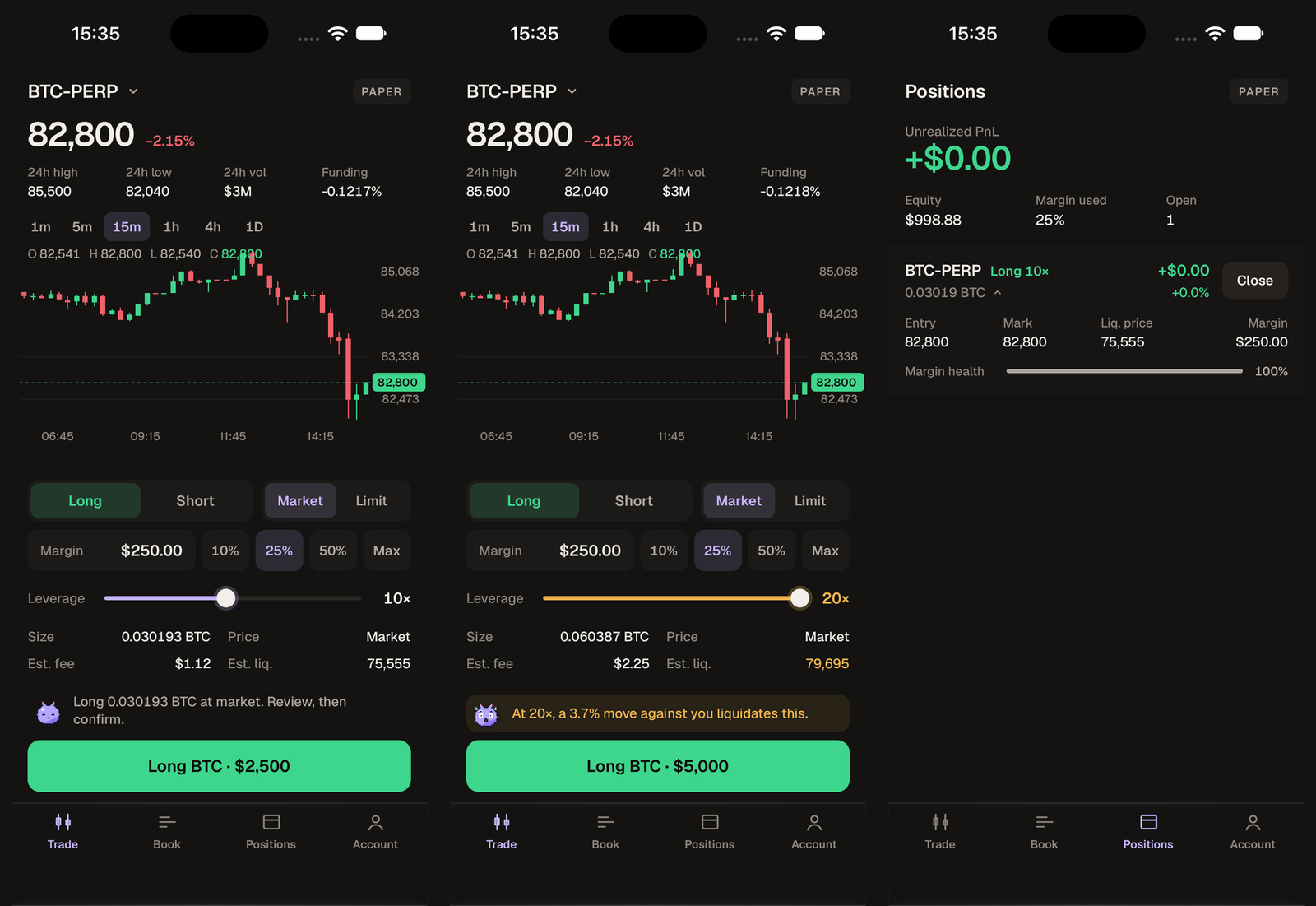
A recruiter said I lacked hands-on crypto experience. By lunch I had an iPhone app placing signed orders on the Hyperliquid testnet. What Claude did, what I did, and what I would change.
Notes on mobile engineering. React Native, Expo, SwiftUI, and the small details that make an app feel considered.

A recruiter said I lacked hands-on crypto experience. By lunch I had an iPhone app placing signed orders on the Hyperliquid testnet. What Claude did, what I did, and what I would change.
Overbloom runs its simulation and its rendering entirely in UI-thread worklets. Here is the architecture, and what you give up to get there.
428 lines of canvas in a single file answered the only question that mattered, and the port that followed was mechanical because of it.
The same render.ts that ships on device also runs in a Next.js app on CanvasKit. It powers a level editor, an obstacle lab and the App Store screenshots.
Every pixel in the store listing comes from the real engine running on CanvasKit, posed and composited in a browser tool. No mockups, and no drift.
A memory leak that took twenty minutes of continuous play to kill the app, why every test I had missed it, and the headless soak test that finally caught it.
A tracking prompt iOS silently dropped, StoreKit hanging forever, purchases that worked offline until they did not, and other things no simulator will show you.
A game frame can fire a dozen discrete events. Packing them into a bitmask turned a pile of thread hops into a single call, and fixed a sound bug on the way.